
How Acupuncture Helps with Pain Management and Physical Relief
Pain can shrink a life quickly. A stiff neck can make sleep difficult. A sore lower back can turn a simple drive into a chore. A tender knee can change how someone walks, which then irritates the hip, ankle, or other side of the body.
Acupuncture is one way many people seek relief when pain keeps returning or when medication alone is not enough. It comes from traditional East Asian medicine, and modern clinicians also use it in integrative care settings for musculoskeletal pain, headaches, tension, and stress-related discomfort.
The goal is not to numb the body or force a quick fix. Acupuncture aims to prompt the body’s own pain-regulating systems, calm irritated tissues, and help muscles let go of protective tension. Research suggests it can help some people with certain types of pain, especially when used as part of a broader care plan.
This article is for informational purposes only and does not replace medical advice, diagnosis, or treatment. Persistent, severe, or unexplained pain should always be assessed by a qualified health professional.

Acupuncture works with the body’s pain signals
Pain is not just a message from a sore muscle or joint. It is a full-body response involving nerves, the spinal cord, the brain, circulation, inflammation, stress hormones, and emotions. That is why pain often feels worse after poor sleep, long periods of stress, or repeated strain.
Acupuncture uses very thin, sterile needles placed at specific points on the body. In traditional Chinese medicine, these points relate to the movement of qi, often described as vital energy, through pathways called meridians. When qi is blocked or imbalanced, pain and dysfunction may appear.
From a modern medical view, acupuncture may influence pain through several overlapping effects:
It can stimulate sensory nerves in the skin, fascia, and muscles.
It may encourage the release of natural pain-modulating chemicals, including endorphins.
It can affect how pain signals travel through the nervous system.
It may help shift the body away from a high-alert stress state.
It can support local circulation around tight or irritated tissue.
None of this means acupuncture “turns off” pain in a simple way. Pain is more complex than a switch. A better way to understand it is that acupuncture may help turn down the volume on pain signals while also encouraging the body to move, rest, and recover more comfortably.
That matters because long-lasting pain can train the nervous system to stay on guard. Muscles tighten to protect the painful area. Movement becomes smaller. Sleep suffers. The brain starts expecting pain before certain activities even begin. Over time, the body can become sensitive to pressure, movement, or positions that would not normally cause much discomfort.
Acupuncture may help interrupt that loop. For some people, the first noticeable effect is not dramatic pain relief. It is a sense that the body feels less braced. Breathing becomes easier. The shoulders drop. A guarded back releases slightly. That small shift can make stretching, walking, strengthening, and daily activity more manageable.
It may help with common pain patterns
Acupuncture is used for many pain-related concerns, but it is best understood as a supportive therapy rather than a stand-alone cure. Some people respond quickly. Others need several visits before they can tell whether it helps. Some do not notice enough benefit to continue.
The most common reasons people seek acupuncture for physical relief include back pain, neck pain, headaches, joint discomfort, and muscle tension.
Lower back pain
Lower back pain often involves more than one structure. Muscles, ligaments, discs, joints, nerves, and posture habits can all play a role. Stress and long sitting can add another layer by keeping the hips and back tense.
Acupuncture may help by reducing muscle guarding and calming pain signals. Points may be placed near the lower back, hips, legs, hands, or feet depending on the practitioner’s approach and the pattern of symptoms. Treatment may also focus on connected areas, such as tight glutes, hamstrings, or hip flexors.
For people with recurring back pain, acupuncture often works best alongside movement. Gentle walking, mobility work, physical therapy exercises, heat, and better lifting habits can help maintain the relief gained from treatment.
Neck and shoulder tension
Neck pain can come from posture, jaw tension, old injuries, stress, sleep position, or long hours in one position. The upper shoulders may feel hard, ropey, or tender. Pain may travel toward the base of the skull or between the shoulder blades.
Acupuncture can target tight muscle bands and points linked with neck and shoulder discomfort. Some people notice improved range of motion after treatment. Others feel less pressure around the head and upper back.
When stress is part of the pattern, treatment may include points used to calm the nervous system. That can be useful because stress-related tension often returns unless the body learns how to downshift.

Headaches and jaw-related pain
Tension headaches often pair with tight neck muscles, jaw clenching, eye strain, or stress. Migraine is more complex and may involve neurological triggers, light sensitivity, nausea, and throbbing pain. Anyone with new, severe, or unusual headaches should seek medical care.
For recurring tension-type headaches, acupuncture may help reduce muscle tension and support relaxation. Treatment might focus on the neck, shoulders, scalp, hands, or feet. For jaw-related discomfort, practitioners may also address surrounding muscle tension and stress patterns that contribute to clenching.
Acupuncture should not replace medical treatment for severe headache disorders, but it may be part of a management plan for some people.
Joint discomfort and stiffness
Joint pain can come from arthritis, overuse, injury, inflammation, or changes in movement patterns. Knees, hips, wrists, and shoulders are common areas of concern.
Acupuncture cannot reverse structural joint damage, but it may help reduce pain sensitivity and ease surrounding muscle tension. When a painful knee makes someone walk differently, for example, the thigh, hip, and calf muscles may tighten. Reducing that protective tension can improve comfort and movement.
People with chronic joint conditions often do best with a mix of approaches. That may include acupuncture, strength training, weight management when relevant, anti-inflammatory strategies, supportive footwear, physical therapy, or medical care.
Muscle soreness and overuse
Acupuncture is also used for physical relief after repetitive strain, workouts, or minor overuse patterns. A runner with tight calves, a parent carrying a child on one hip, or a musician with forearm tension may develop sore, overworked tissues.
In these cases, acupuncture may help the body relax overactive muscles and increase awareness of movement habits. Relief may feel like warmth, looseness, or easier motion. The bigger goal is to reduce the cycle of strain so the same area does not keep flaring.
A treatment session is usually calm and simple
People who have never tried acupuncture often imagine large needles or sharp pain. In reality, acupuncture needles are very thin, much finer than needles used for injections or blood draws. Many people feel little more than a tap, pressure, tingling, heaviness, warmth, or a dull ache at certain points.
A typical session starts with a conversation. The practitioner may ask about the location of pain, what makes it better or worse, sleep, digestion, stress, activity level, past injuries, and medical history. This helps shape the treatment plan.
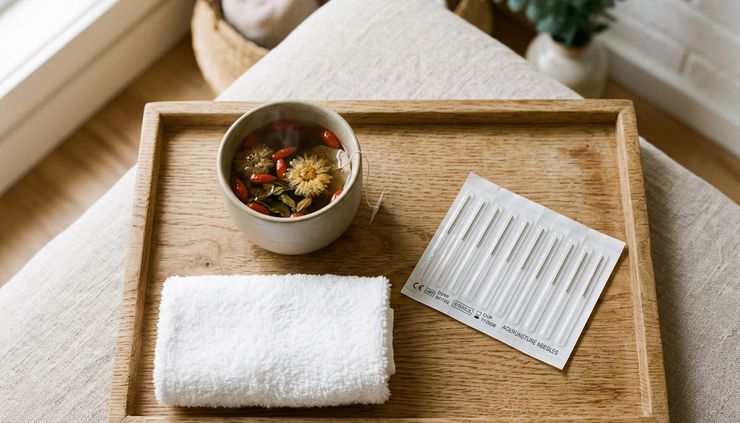
During treatment, the practitioner places sterile, single-use needles at selected points. The needles may stay in place while the person rests quietly. Some practitioners add gentle techniques such as heat, cupping, gua sha, electrical stimulation, or manual bodywork, depending on training and the person’s needs.
A session should feel respectful and clear. A good practitioner explains what they are doing, checks comfort, and adjusts if something feels too intense. Acupuncture should not feel like something to endure.
After treatment, people may feel relaxed, sleepy, lighter, or mildly sore in a worked area. Drinking water, taking a gentle walk, and avoiding unusually intense activity right away can help the body respond.
Some people notice relief after one session. Others need a series of visits. Chronic pain that has been present for months or years usually takes more time than a recent, mild strain. The plan should be realistic and reassessed as treatment continues.
Safety, timing, and who should be cautious
Acupuncture is generally considered low risk when performed by a properly trained and licensed practitioner using sterile, single-use needles. Side effects are usually mild, such as temporary soreness, light bruising, fatigue, or a brief increase in symptoms.
The most important safety step is choosing a qualified provider. In the United States, licensing rules vary by state, but practitioners should have formal training, use clean needle technique, and be willing to answer questions about credentials.
Before treatment, disclose health conditions and medications. This is especially important for people who:
Take blood thinners or have a bleeding disorder
Are pregnant or trying to become pregnant
Have a pacemaker, especially if electrical stimulation may be used
Have a history of fainting with needles
Have active infection, open wounds, or severe skin irritation near treatment areas
Have cancer, immune suppression, or complex medical conditions
Acupuncture should not delay urgent care. Seek prompt medical attention for pain with chest pressure, shortness of breath, sudden weakness, loss of bladder or bowel control, high fever, major injury, unexplained weight loss, or severe pain that appears suddenly.
It is also wise to keep expectations grounded. Acupuncture may reduce pain, improve mobility, and support recovery, but it does not replace imaging, medication, surgery, rehabilitation, or other care when those are needed.
The best results often come when treatment is matched to the person’s actual pain pattern. A tight, stress-driven neck may need different care than nerve pain down the leg. A sore knee from overuse needs different support than an inflammatory flare. Good care starts with careful listening.
Acupuncture works best as part of a larger relief plan
Pain management is rarely one thing. Acupuncture can be helpful, but lasting physical relief often comes from combining therapies that address both symptoms and causes.
A well-rounded plan may include:
Movement that fits the pain level
Gentle activity keeps tissues nourished and helps prevent stiffness. This might be walking, mobility exercises, swimming, yoga, or a physical therapy plan.
Strength where the body needs support
Weak or underused muscles can make other areas work too hard. Strengthening hips, core, shoulders, or legs may reduce repeated strain.
Better rest and recovery
Sleep affects pain sensitivity. When sleep improves, the nervous system often handles pain signals better.
Stress support
Stress can tighten muscles, change breathing, and increase pain awareness. Breathing exercises, counseling, meditation, or time outdoors may help.
Medical care when symptoms call for it
Pain from fractures, infections, nerve compression, autoimmune disease, or serious illness needs medical evaluation.
Acupuncture can fit into this larger plan by making the body more comfortable while other changes take root. When pain decreases even a little, it may become easier to walk, stretch, sleep, or complete rehab exercises. That momentum matters.
The most useful pain plan is the one that helps someone move better, sleep better, and return to daily life with less fear of flare-ups.
For chronic pain, the emotional side also deserves care. Long-lasting pain can be exhausting. It can affect mood, relationships, work, and confidence. A compassionate practitioner will not dismiss that. Relief is not only about a pain score. It is also about feeling at home in the body again.

The takeaway
Acupuncture helps with pain management and physical relief by working with the nervous system, muscles, circulation, and the body’s natural pain-regulating responses. It may ease tension, lower pain sensitivity, improve movement, and support relaxation.
It is not a cure-all, and it should not replace medical care for serious symptoms. But for many people, it can be a useful part of a thoughtful pain plan, especially when combined with movement, rest, stress support, and proper evaluation.
The best next step is simple: pay attention to the pattern of pain, choose a qualified practitioner, ask clear questions, and give the body enough time to respond. Relief often begins with small changes, less guarding, easier movement, deeper rest, and a little more space between pain and daily life.
Comments